
Canadian winters dump wet boots in the entry half the year. Snow, slush and road salt all end up right by the door. FloorBox lists entries among the uses on Floor Tiles. Below is what to read on a tile page, plus when laminate belongs in a hallway and when a mat does the heavy lifting.
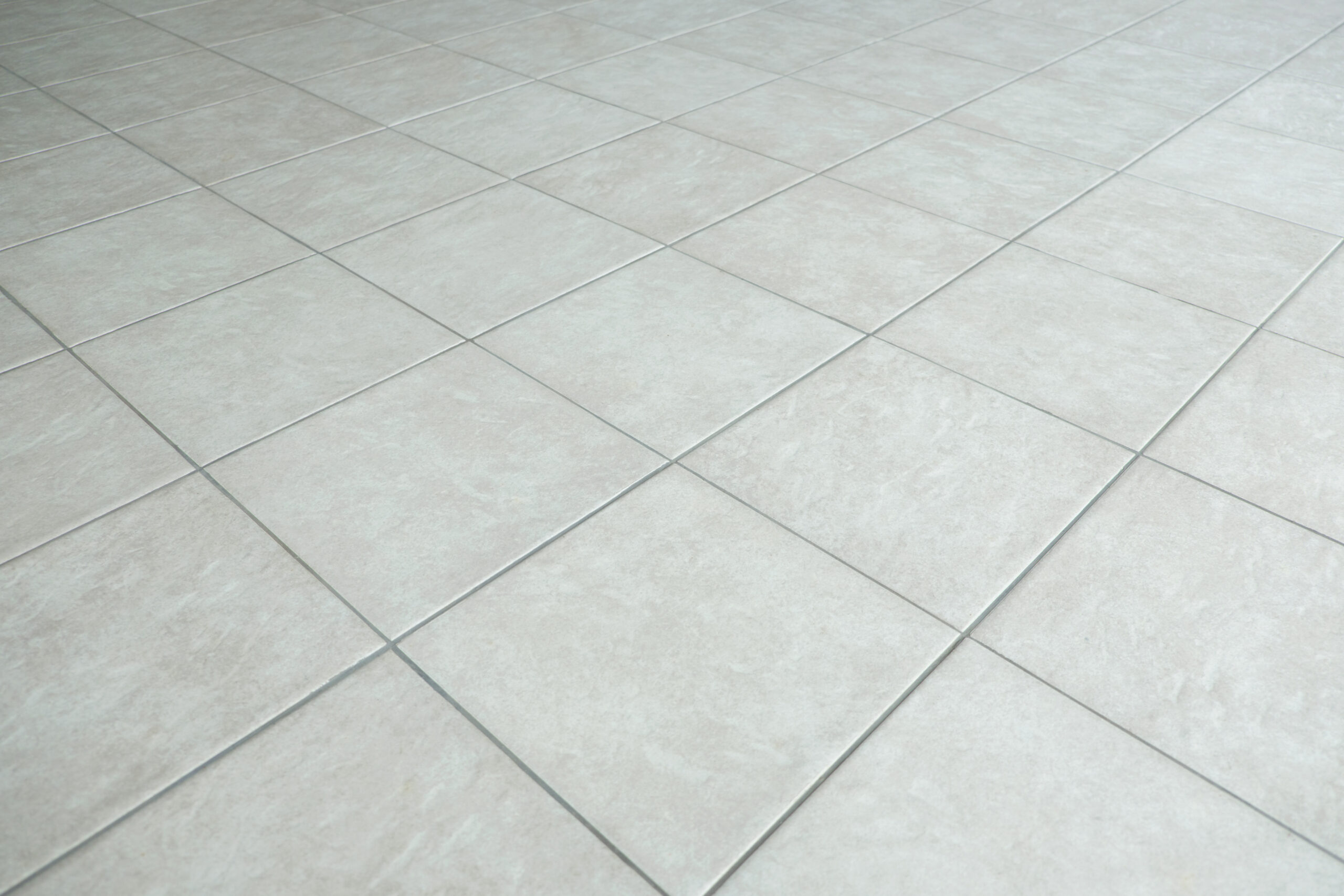
Open a product page and look for:
Road salt is why you wipe boots and put a mat down at the door.
The Centura Floor Tiles Travertino White Matte 12" x 24" is porcelain. It lists PEI 4 - Heavy Traffic, Coefficient of Friction > 0.42, Frost Resistance: Non-Resistant. So it is built for busy indoor walking, with a grip number above 0.42, and it is not a frost-rated outdoor tile — which is fine for an inside entry. Its description says the collection imitates travertine without travertine's disadvantages. For what real travertine is, see What Is Travertine, and Is It a Good Choice for Floors?
If the floor sits outside in freeze/thaw, look for Frost Resistance: Yes and Outdoor Usage: Yes. The MSI Surfaces Floor Tiles Arterra Pavers Matte Argento Travertino 24" x 24" lists Frost Resistance: Yes, Outdoor Usage: Yes, PEI 4, Coefficient of Friction > 0.42, Thickness 20 mm, Scratch Resistance (Mohs) 6. That is a thick outdoor porcelain paver, not the same product as an indoor 9.5 mm tile.
Yes, if the hallway stays dry. The Laminate page says laminate works in hallways but must stay dry — it is not for bathrooms, and the wood-chip base can be damaged by water. Wet boots need a mat, or keep laminate out of the wet zone by the door. If the hallway may get wet, compare both options in Should I Choose Laminate Flooring or Vinyl Planks, and Is Laminate Real Wood?
Lauzon's care guidance for its wood floors asks for a small rug or door mat at every entrance to protect the floor from abrasion and humidity, and to clean those mats regularly. FloorBox sells that second layer in Entrance and Ergonomic Mats. Put the mat where boots land; wipe salt and slush there before they reach the finished floor.